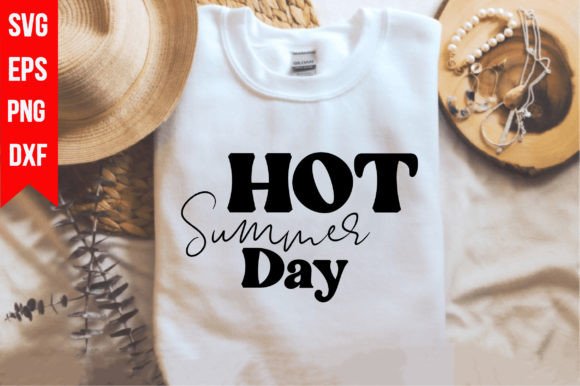
Hot Summer Day: An Embroidery Design Review
As a designer who spends more time behind an embroidery hoop than a computer screen, I approach every new digital asset with a healthy dose of skepticism. When I first opened the Hot Summer Day file, I wasn't just looking for cute aesthetics; I was evaluating stitch viability. While this product is marketed primarily as an SVG cutting file for Cricut and Silhouette users within the T-Shirt Designs and Graphics categories, its potential as a foundation for mixed-media or digitized embroidery projects caught my attention. For fellow makers, Etsy sellers, and apparel decorators, understanding how a graphic translates from screen to fabric is the difference between a bestseller and a production failure.
First Impressions and Visual Personality
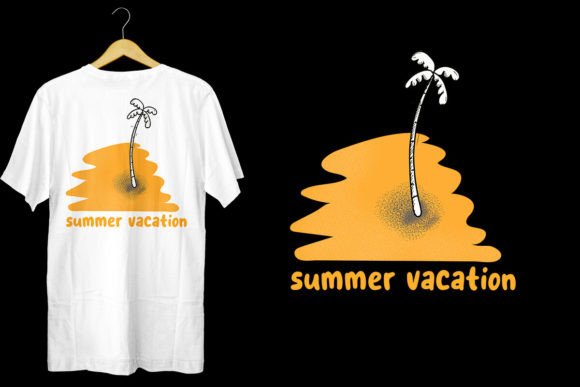
The immediate mood of Hot Summer Day is vibrant and nostalgic. It captures that specific golden-hour warmth that customers love in seasonal merchandise. Visually, the layout feels balanced, which is crucial when you are considering placement on curved surfaces like caps or the center chest of a sweatshirt. As a graphic, it has strong lines and distinct color blocks. From an embroidery perspective, these clean separations are promising. They suggest that if you were to digitize this for machine embroidery design purposes, or use it as a guide for applique work, the registration points would likely be forgiving.
However, visual appeal on a monitor does not guarantee success on fabric. The design possesses a bold personality that demands attention. It doesn't feel like a delicate heirloom piece; it feels like modern custom apparel. This distinction matters because it dictates your stabilizer choice and fabric pairing. A design with this much visual weight needs a substrate that can support it without puckering, making it ideal for structured items rather than flimsy knits.
Real-World Application: The Custom Tote Bag Test
To truly evaluate Hot Summer Day, I mentally placed it in a real-life production scenario: a custom embroidered tote bag intended for a summer boutique collection. Tote bags are high-traffic handmade products that require durability. In this context, the design’s scalability becomes its greatest asset. Because the original asset is vector-based graphics, resizing for a large 8x10 hoop size introduces no pixelation, allowing for crisp edges whether you are using it for heat transfer vinyl or re-digitizing it for satin stitch borders.
For this specific project, I envisioned combining techniques. The bold outlines of Hot Summer Day are perfect for a running stitch or backstitch outline to define the shapes, while the interior could utilize fill stitch or even fabric applique to reduce overall stitch density. This hybrid approach keeps the tote bag flexible and prevents the "bulletproof" stiff feeling that dense embroidery can sometimes cause. Customers appreciate a personalized gift that remains functional; a stiff, heavy bag often gets left in the closet. By respecting the graphic nature of the source file, we can create a finished product that feels professional and wearable.
Navigating Fabric Constraints and Hoop Sizes
While versatile, Hot Summer Day requires careful consideration regarding where it should not be used. During my review, I noted several areas where caution is necessary for small business owners and hobbyists alike:
- Stretchy Fabrics: If applying this to baby embroidery onesies or lightweight performance tees, the design's bold nature could cause distortion. You must use appropriate cut-away stabilizer and potentially a topping to prevent stitches from sinking into the knit.
- Tiny Lettering Details: If the design includes intricate text elements common in summer themes, verify the legibility at smaller sizes. Text under 4mm often fails in machine embroidery unless simplified. Always check the minimum viable size before committing to a production run.
- Dark Fabric Contrast: On navy or black garments, ensure your thread colors provide sufficient contrast. A sunny yellow might pop on white but disappear on cream. Test thread colors against the actual fabric, not just a digital mockup.
- Curved Surfaces: For cap embroidery, the horizontal span of Hot Summer Day might exceed the usable area of a standard cap frame. Distortion at the edges is a risk, so consider scaling down or repositioning elements specifically for headwear.
Commercial Viability for Makers and Sellers
For Etsy sellers and craft business owners, Hot Summer Day offers significant commercial value, provided it is executed correctly. The design taps into evergreen seasonal demand, making it a reliable asset for holiday embroidery and summer collections. Its gender-neutral and age-spanning appeal means one design file can yield products for men, women, kids, and babies, maximizing your return on investment.
From a branding perspective, consistency builds customer trust. Using a cohesive graphic style across sweatshirt embroidery, patches, and nursery decor creates a recognizable shop identity. However, professionalism extends beyond aesthetics. Before listing any finished product, confirm the licensing terms associated with the digital embroidery file or SVG. Ensure you have the right to sell physical items derived from the design. Nothing damages a handmade brand faster than copyright disputes. Additionally, when creating printable mockups for your listings, show the design on textured fabrics rather than flat digital renders. Buyers need to visualize how Hot Summer Day interacts with linen, canvas, or cotton jersey to make an informed purchase decision.
Essential Designer Notes for Production Success
If you decide to incorporate Hot Summer Day into your workflow, treat it with the same rigor as any dedicated embroidery file. Here are my practical recommendations for ensuring quality:
- Always Test Stitch: Never run a final product without a sew-out on scrap fabric first. Check for registration issues, especially if combining vinyl and thread.
- Evaluate Stitch Density: If digitizing from this graphic, aim for lower density fills to maintain fabric drape. High density looks premium in photos but feels cheap in hand.
- Verify Compatibility: Although listed as compatible with Cricut and Silhouette, always double-check file integrity if converting formats for embroidery machines. Corrupt paths lead to jump stitches and machine errors.
- Consider Washability: Summer items get washed frequently. Ensure your stabilizer and thread choices can withstand hot water and sun exposure without fading or shrinking.
- Mockup Realistically: Use black and white mockups to test value contrast before selecting thread colors. If the design reads poorly in grayscale, it will lack definition in color.
Ultimately, Hot Summer Day is a robust starting point for creative entrepreneurs. Whether used strictly as a cutting file for custom apparel or adapted into a mixed-media masterpiece, it carries the visual weight necessary for retail success. By applying professional judgment and testing thoroughly, you can transform this digital asset into tangible, high-quality goods that resonate with buyers and stand up to real-world wear.