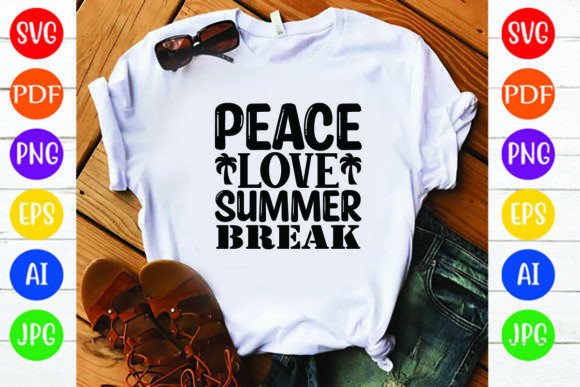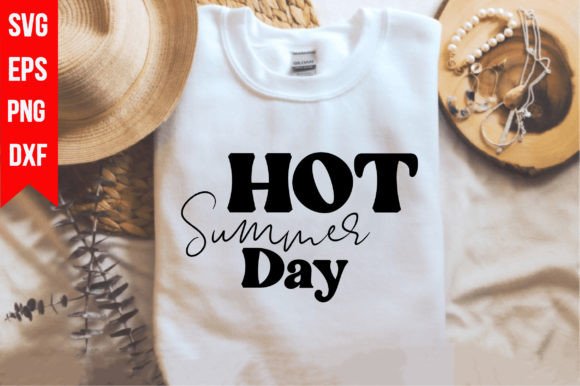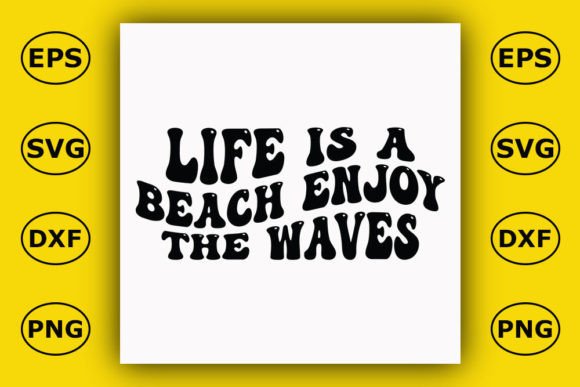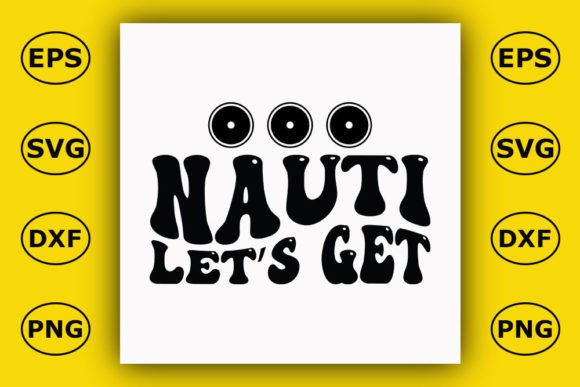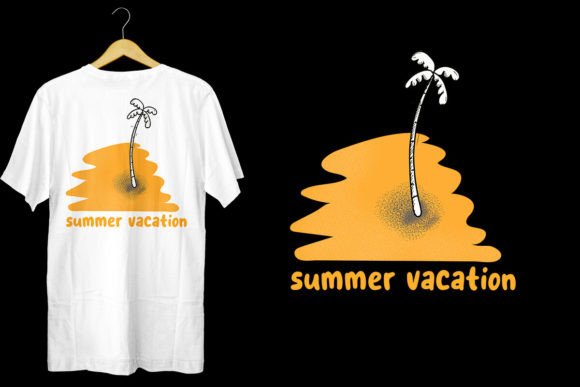
Summer Vacation Design Review for Embroidery
As a designer who spends just as much time behind an embroidery machine as I do in vector software, I approach every new graphic with a specific question: will this actually stitch out well? When evaluating the Summer Vacation design asset, my first impression is one of versatile, clean aesthetics that bridge the gap between digital art and tangible textile application. The layout suggests a mood that is relaxed yet structured, making it an ideal candidate for seasonal merchandise. However, because this product is supplied as a vector EPS, SVG, and print-ready PNG rather than a pre-digitized machine embroidery design, the success of your final project relies entirely on how you translate these graphics into stitches.
For fellow Etsy sellers, apparel decorators, and creative entrepreneurs, this distinction is vital. You are not buying a plug-and-play embroidery file; you are acquiring high-quality design assets that serve as the blueprint for your own digitizing or sublimation work. This review focuses on the practical reality of adapting Summer Vacation for real-world production, from custom apparel to home decor, ensuring your finished product meets professional standards.
Translating Vector Graphics to Stitch Reality
The visual personality of Summer Vacation leans into cheerful nostalgia, but vectors can be deceptive. A smooth curve in Illustrator might become a jagged mess if not properly mapped for satin stitch or fill stitch. Before loading this into your digitizing software, assess the line weight and negative space. If the original graphic features ultra-thin lines intended for vinyl cutting or screen printing, they may disappear when rendered as running stitch on textured fabric. Conversely, large solid areas perfect for print might result in excessive stitch density, causing puckering on lightweight t-shirts or tote bags.
I recently tested a similar summer-themed concept for a client’s boutique capsule collection. We wanted to create a premium sweatshirt embroidery piece that felt vintage but looked crisp. The challenge was maintaining the integrity of the design while accommodating the loftiness of french terry fabric. With Summer Vacation, I recommend treating the source file as a guide rather than a rulebook. You may need to thicken delicate elements slightly during the digitizing process to ensure thread coverage, or simplify intricate corners that could cause needle breaks or registration issues on curved surfaces like caps.
Best Applications for Seasonal Merchandise
This design shines brightest when matched with the right substrate. Based on the composition and thematic elements, Summer Vacation is naturally suited for:
- Tote Bag Design: Canvas and denim provide a stable foundation for higher stitch counts. The design’s likely bold shapes will pop against natural fibers, making it a strong seller for farmers markets and beach shops.
- Custom Apparel: For t-shirt designs, consider using an applique design technique to reduce stitch count and maintain garment drape. The vector format makes it easy to create precise placement lines and cutting templates.
- Home Decor: Pillow covers and tea towels offer ample hoop size flexibility. These items allow you to showcase the full detail of the graphics without worrying about the stretch and distortion common in wearable embroidery projects.
- Patches and Labels: If you run a craft business, this asset works beautifully for embroidered patches. The clean lines typical of summer vacation themes translate well to merrowed edges and dense fill backgrounds.
When creating personalized gifts or small shop products, remember that the "easy" descriptor in the product details refers to the file's usability for print and vinyl. For embroidery, ease comes from proper preparation. Always verify that your chosen stabilizer matches both the fabric texture and the anticipated stitch density of your interpretation of the design.
Navigating Fabric Limitations and Hoop Constraints
Not every canvas is created equal. While Summer Vacation offers broad appeal, certain applications require caution. Stretchy fabrics like ribbed knits or performance wear can distort geometric elements unless you use aggressive stabilization and potentially a water-soluble topping. If the design includes tiny lettering—a common feature in vacation graphics—be wary of stitching it smaller than 4mm in height. Text below this threshold often becomes illegible regardless of your machine’s precision.
Dark fabrics present another variable. If the original graphics rely on subtle color gradients or light-on-light contrast, you will need to adjust your thread colors significantly for visibility. I always test dark fabric backgrounds with a black and white mockup first to see where value separation fails. Additionally, consider washability. A cute poster design might look stunning framed, but as baby embroidery or kitchen linens, it must withstand frequent laundering. Ensure your satin stitch columns have adequate underlay to prevent fraying, and avoid overly long jump stitches that could snag.
Professional Workflow Checklist for Makers
To protect your reputation and minimize wasted materials, adopt a rigorous testing protocol before listing any finished product derived from these graphics:
- Verify Licensing: Confirm whether the license permits commercial embroidery of finished goods versus just digital resale. This is non-negotiable for Etsy sellers and boutique owners.
- Digitize a Test Swatch: Never stitch directly onto a sellable item first. Use scrap fabric identical to your production material to check tension, registration, and overall feel.
- Evaluate Hand Feel: Run your hand over the stitched sample. If it feels stiff or bulletproof, reduce stitch density or switch to applique. Comfort drives customer trust in handmade products.
- Check Color Contrast: View the test stitch in natural daylight and indoor lighting. Thread colors behave differently than RGB screen values.
- Create Printable Mockups: Since you have PNG and vector files, use them to generate professional digital previews for your listings before you even thread a needle. This helps validate market interest efficiently.
Maximizing Value Across Product Lines
The true strength of Summer Vacation lies in its multi-format utility. As a creative entrepreneur, you should leverage the same asset across different revenue streams. Use the SVG for vinyl decals on tumblers, the PNG for sublimation transfers on mugs, and your custom-digitized embroidery file for premium apparel. This consistency builds brand recognition and allows customers to engage with your aesthetic across various touchpoints.
However, maintain quality boundaries. Just because a file is print-ready does not mean it is stitch-ready. Your value as an embroidery professional comes from understanding that translation. When marketing your work, highlight the craftsmanship involved in adapting these graphics for textile use. Customers appreciate knowing that their custom apparel or holiday embroidery has been optimized for durability and comfort, not merely copied from a screen.
Ultimately, Summer Vacation is a promising foundation for seasonal collections, provided you respect the technical demands of machine embroidery. By approaching this graphic with a maker’s mindset—testing thoroughly, adapting intelligently, and honoring fabric limitations—you transform a simple digital download into a profitable, professional-grade product line. Whether you are crafting a signature tote bag design or expanding your digital embroidery file catalog, let practical performance guide your creative decisions.